Back to blog
Materials & Eco OptionsJuly 14, 2026·4 min read
Eco-Friendly Insulation Options: Sheep Wool, Recycled Denim & Other Sustainable Choices
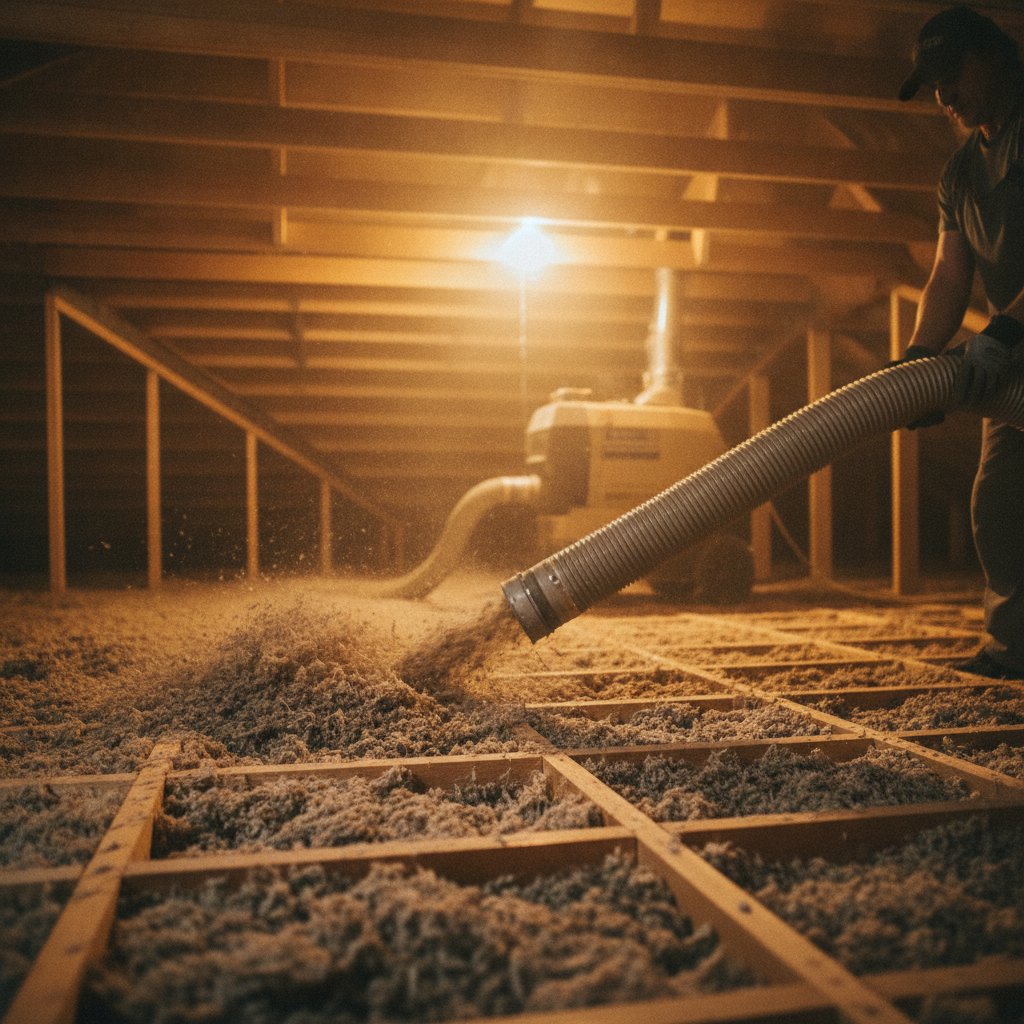
"Eco-friendly insulation" gets used loosely, so it helps to know what it actually means before comparing options. Here are the four real criteria, and an honest look at the materials that tend to qualify.
Four factors generally determine how sustainable an insulation material is:
No material scores perfectly on all four, so "eco-friendly" is really a spectrum, not a pass/fail label.
Sheep wool insulation is a natural fiber with genuinely low embodied energy and no VOC off-gassing — it's about as close to "raw material" as insulation gets. It also naturally regulates humidity, which some homeowners value in moisture-prone spaces.
Pros: naturally fire-resistant without added chemicals, no off-gassing, biodegradable at end of life. Cons: significantly more expensive than fiberglass or cellulose, less widely available, performance can vary by supplier. Where it's used: walls and attics in homes where the cost premium is acceptable for the material properties.
Made primarily from post-industrial recycled cotton and denim fabric scraps, this material functions similarly to fiberglass batts in terms of installation but starts from recycled content rather than virgin material.
Pros: high recycled content, no itch or skin irritation during installation (a real practical advantage over fiberglass), decent sound-dampening properties. Cons: costs more than standard fiberglass batts, R-value per inch is comparable to but not better than fiberglass, availability varies by region. Where it's used: walls, particularly appealing for homeowners prioritizing installer comfort and recycled content together.
Here's a fact many homeowners don't realize: cellulose insulation, made primarily from recycled newspaper and other paper waste treated with fire retardant, is already one of the more eco-friendly options on the market — and it's also one of the most common and cost-competitive. You don't have to seek out a specialty product to get a genuinely high-recycled-content material; cellulose is a mainstream choice that happens to check the eco-friendly boxes reasonably well.
If sustainability is a real priority in your decision, it's worth asking directly:
A contractor who can answer these specifically is a good sign; vague answers are worth following up on.
Is fiberglass eco-friendly? Standard fiberglass insulation typically contains some recycled glass content, but generally less than cellulose, and manufacturing is more energy-intensive. It's a middle-of-the-pack option on sustainability, not the best or worst.
Is spray foam eco-friendly? Spray foam performs very well on energy efficiency (which reduces long-term energy use), but the manufacturing process and VOC profile during and shortly after installation are generally less favorable than natural-fiber options. It's a genuine trade-off depending on which criteria matter most to you.
For the full material-by-material comparison including cost and R-value, see our Types of Insulation guide. Ready to talk to an installer about your specific priorities? Get matched with a vetted, insured contractor.
Get matched with a vetted, insured insulation contractor — free, no obligation.
Get Matched